ABOUT
|
XOCHI CUICATL
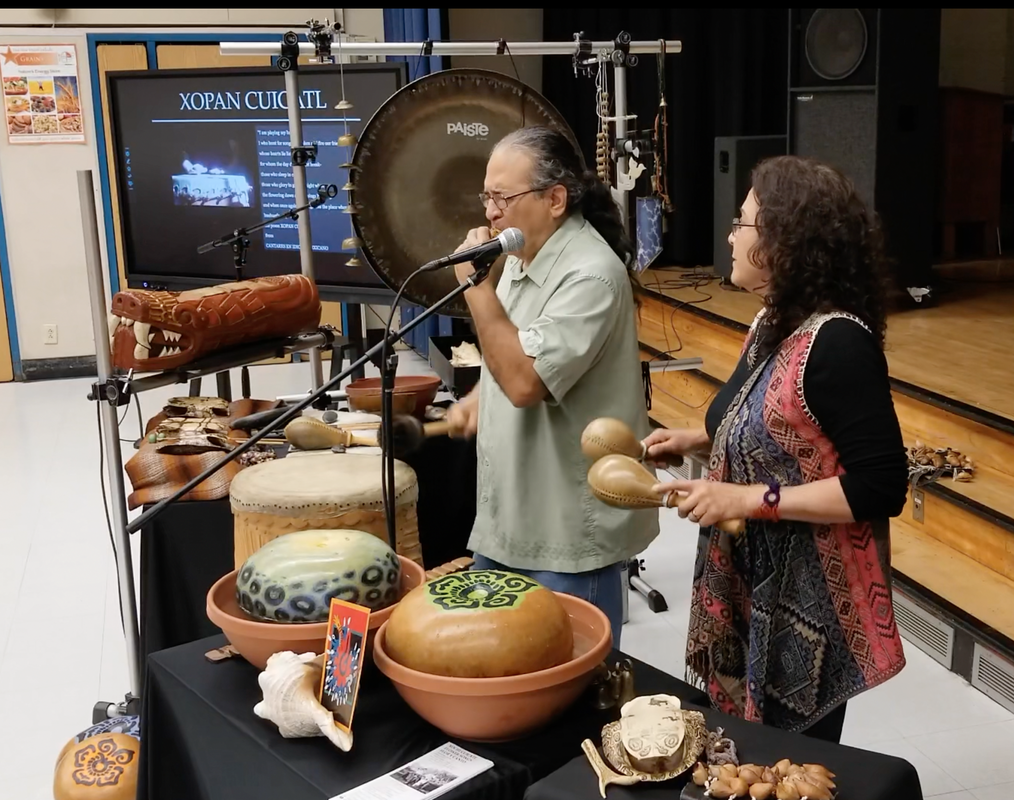
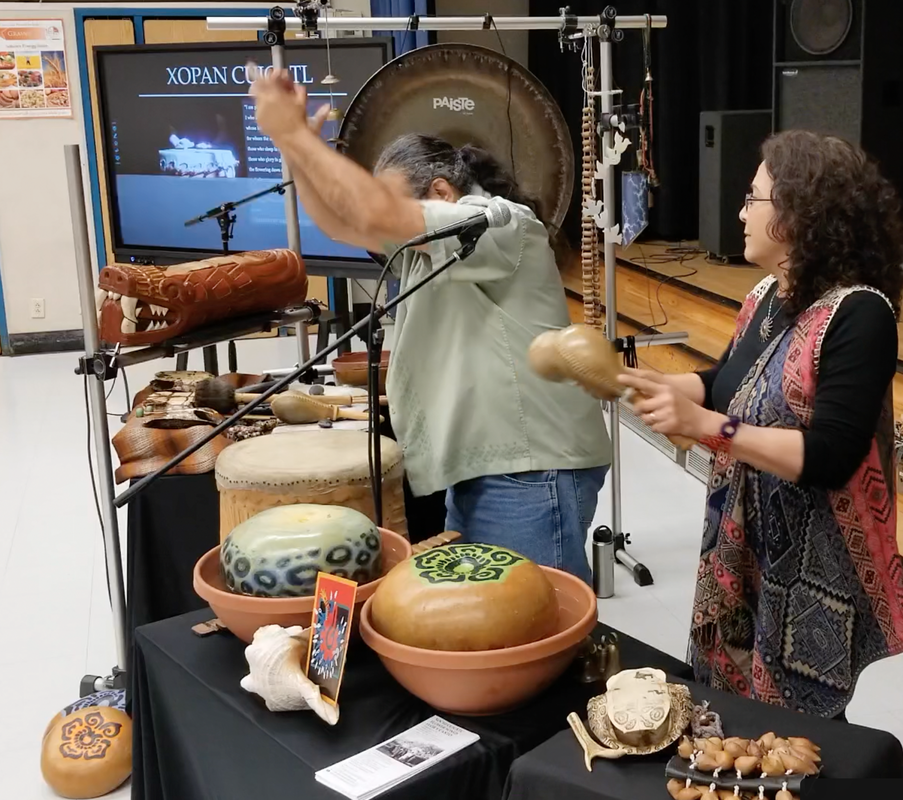
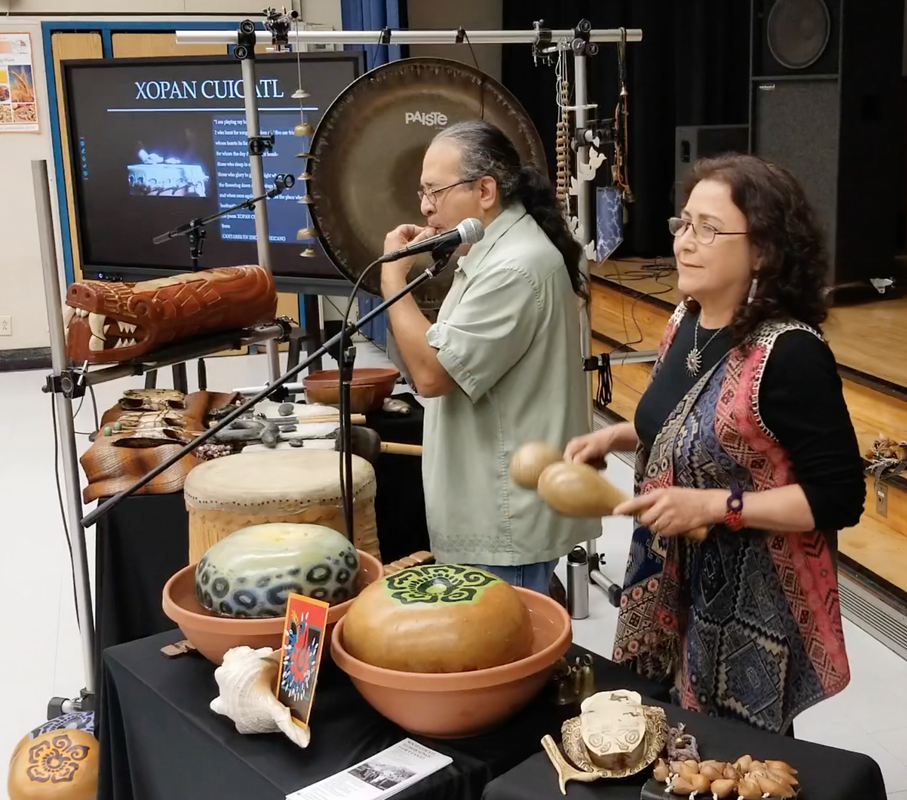
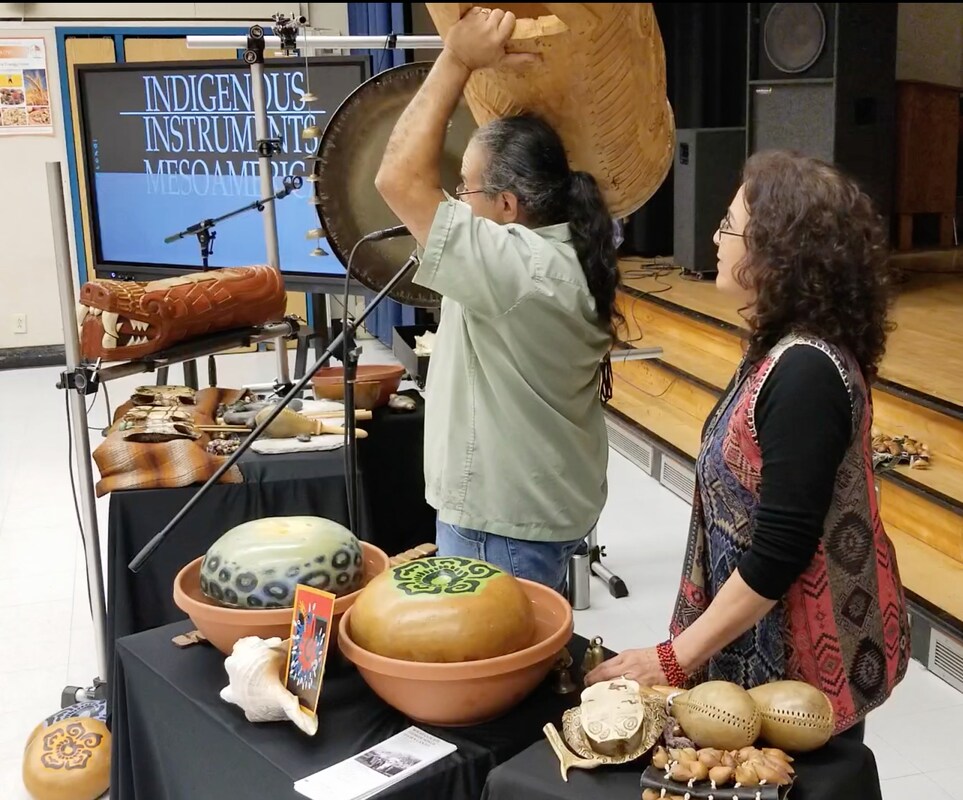
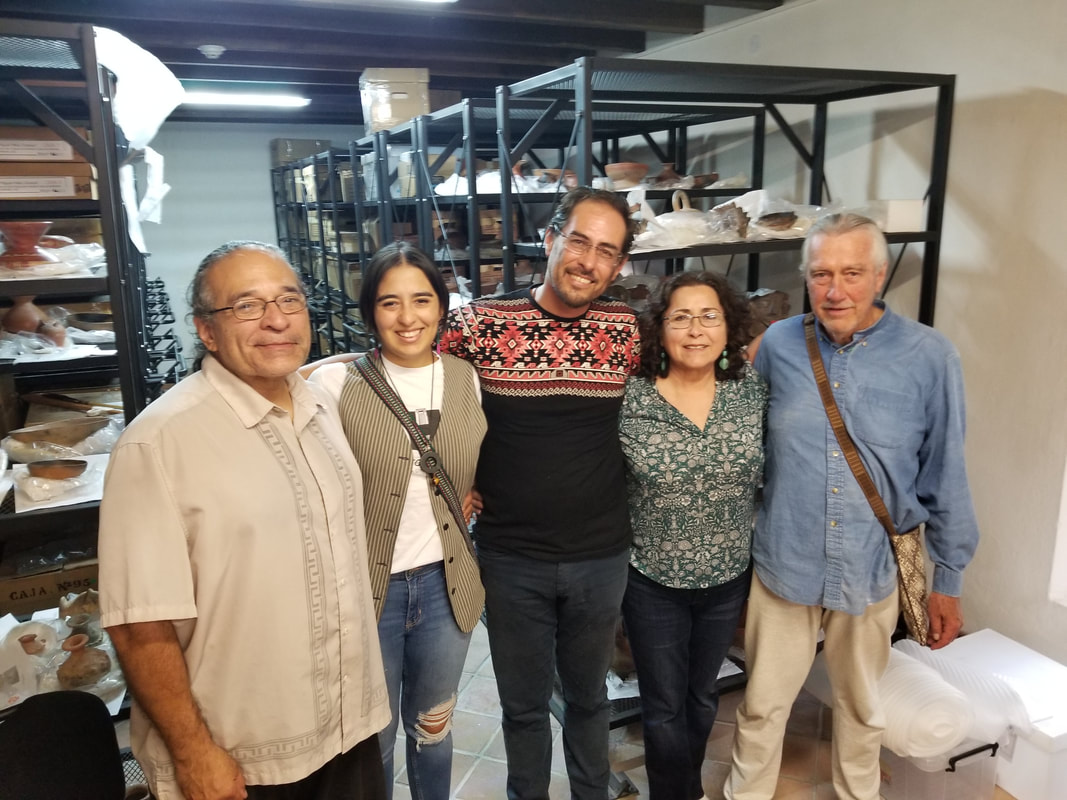
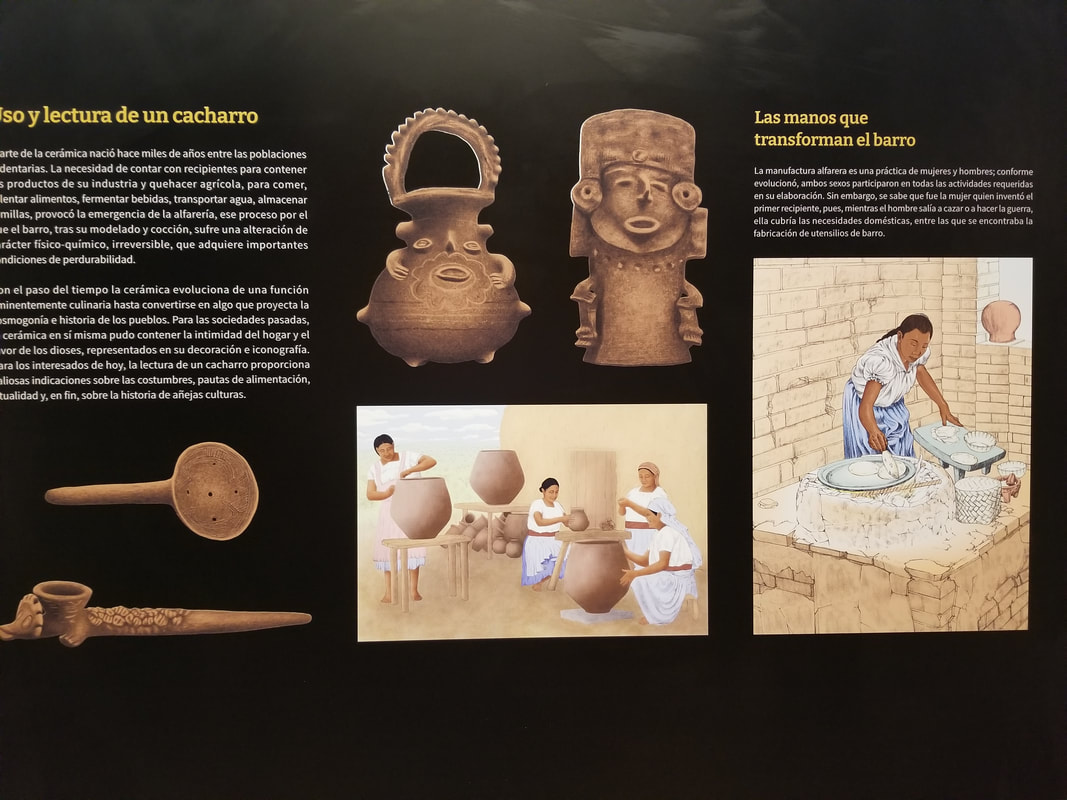
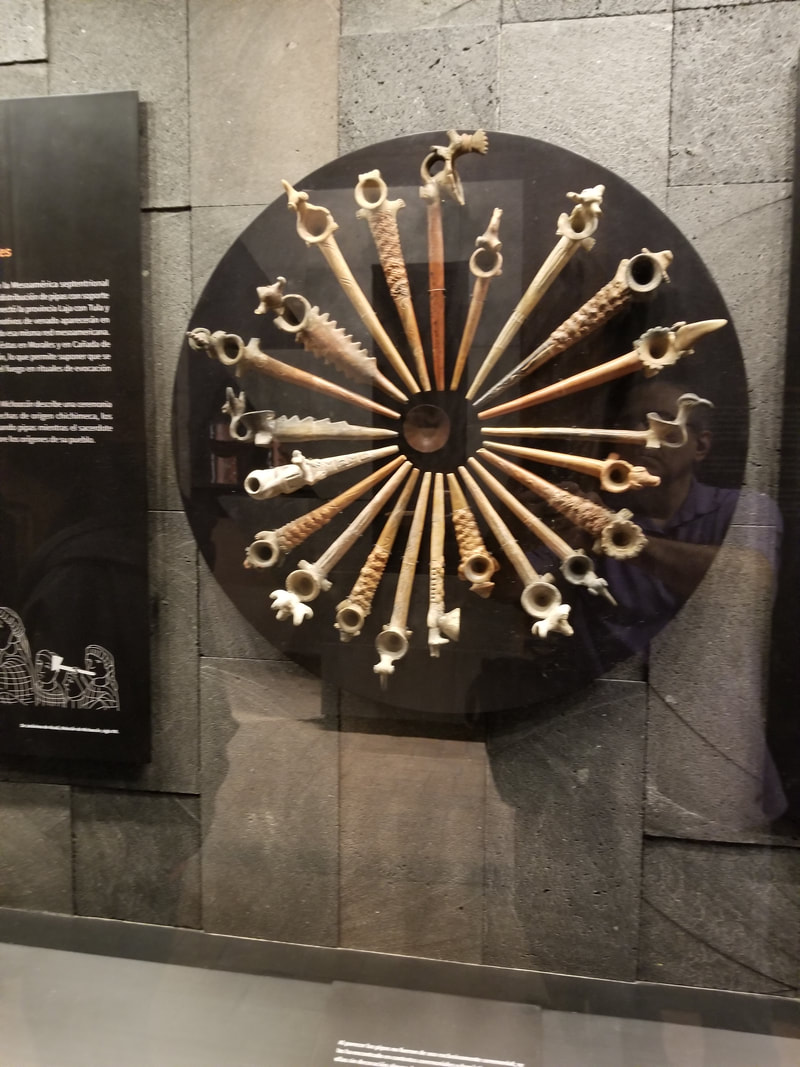
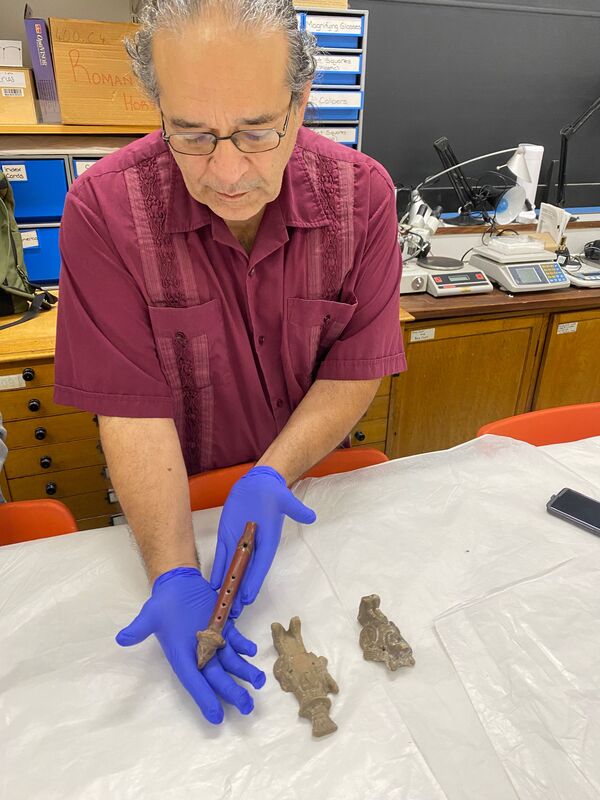
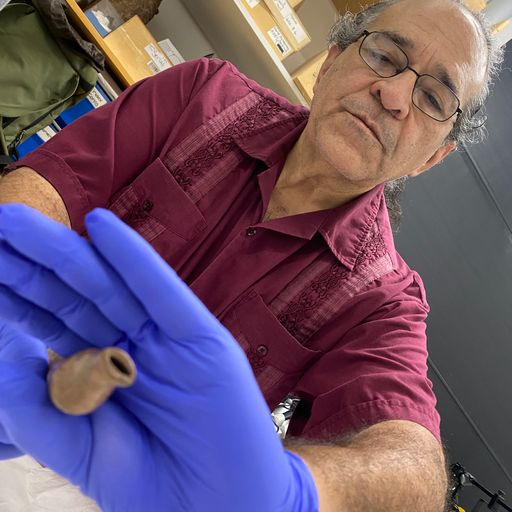
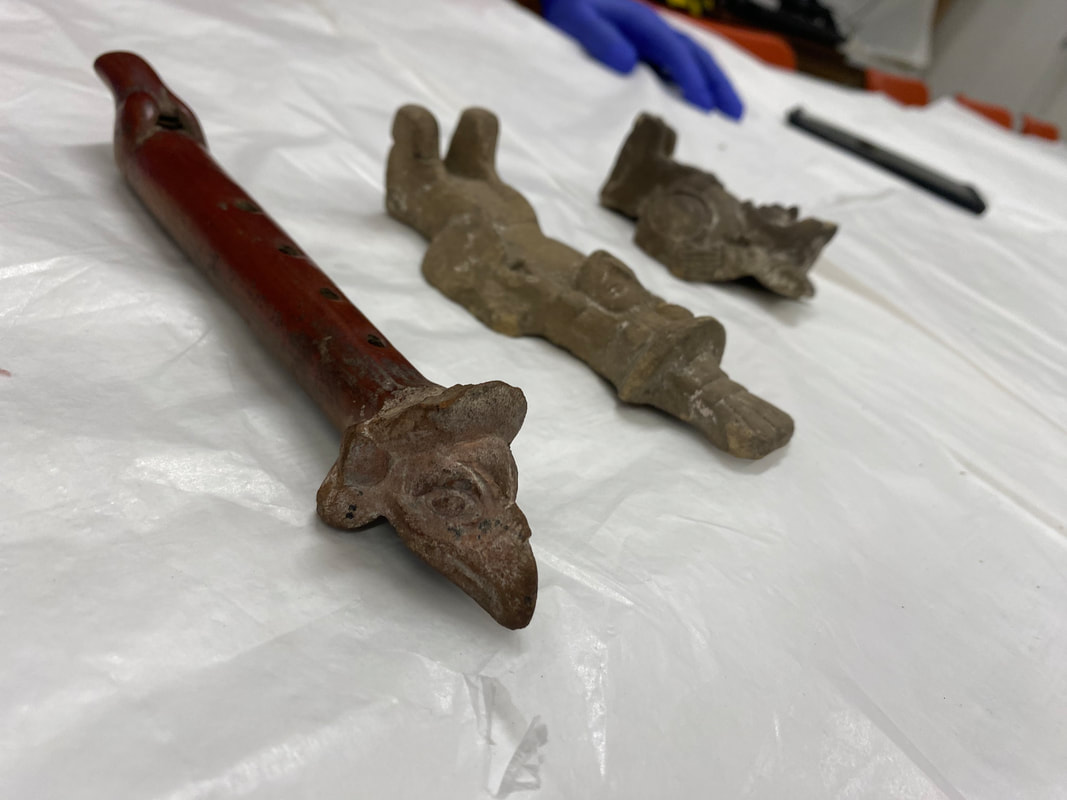
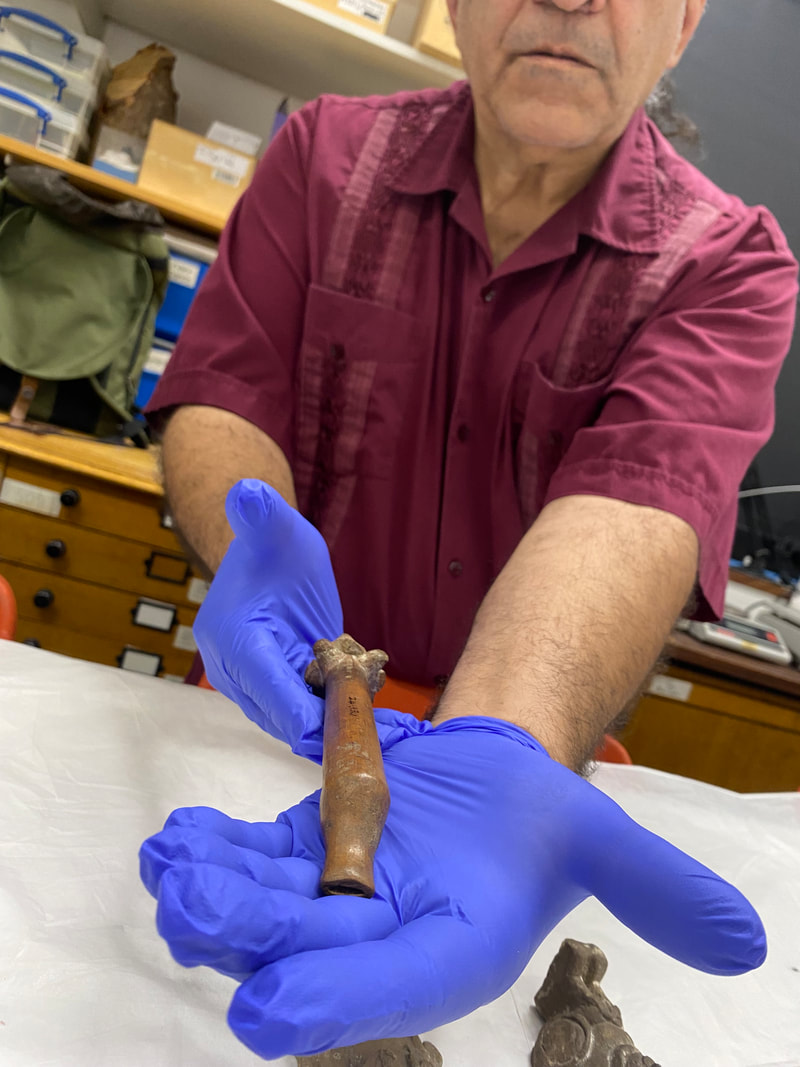
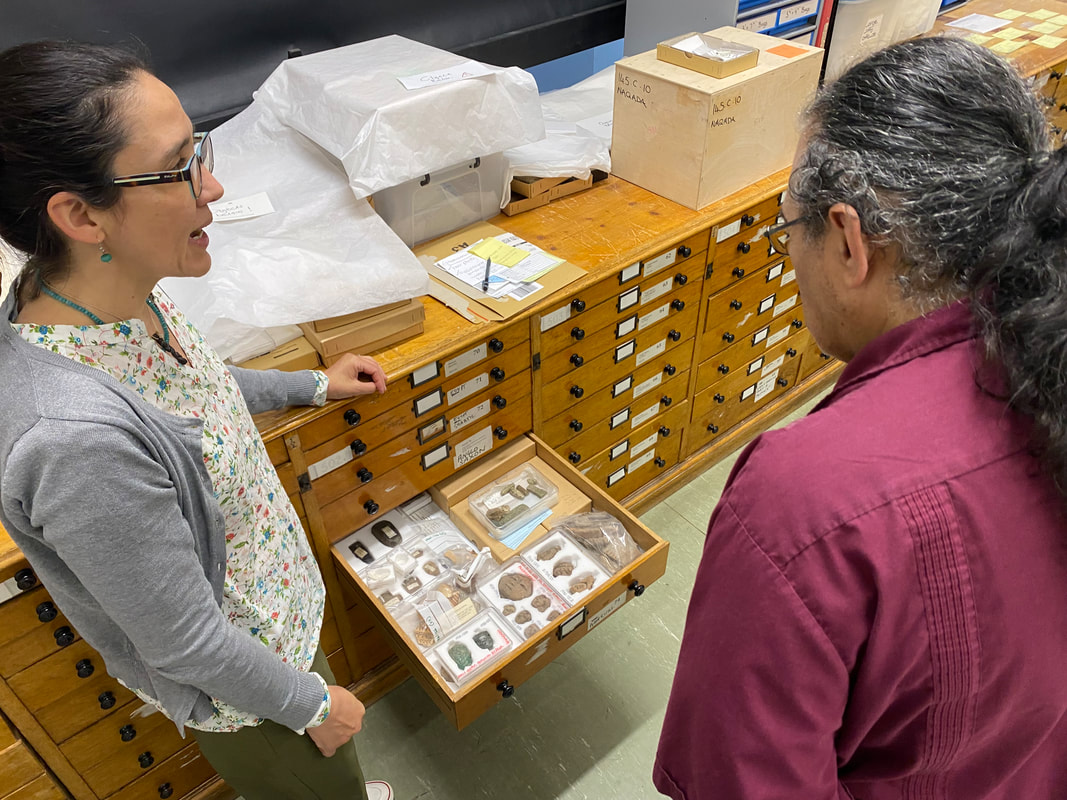
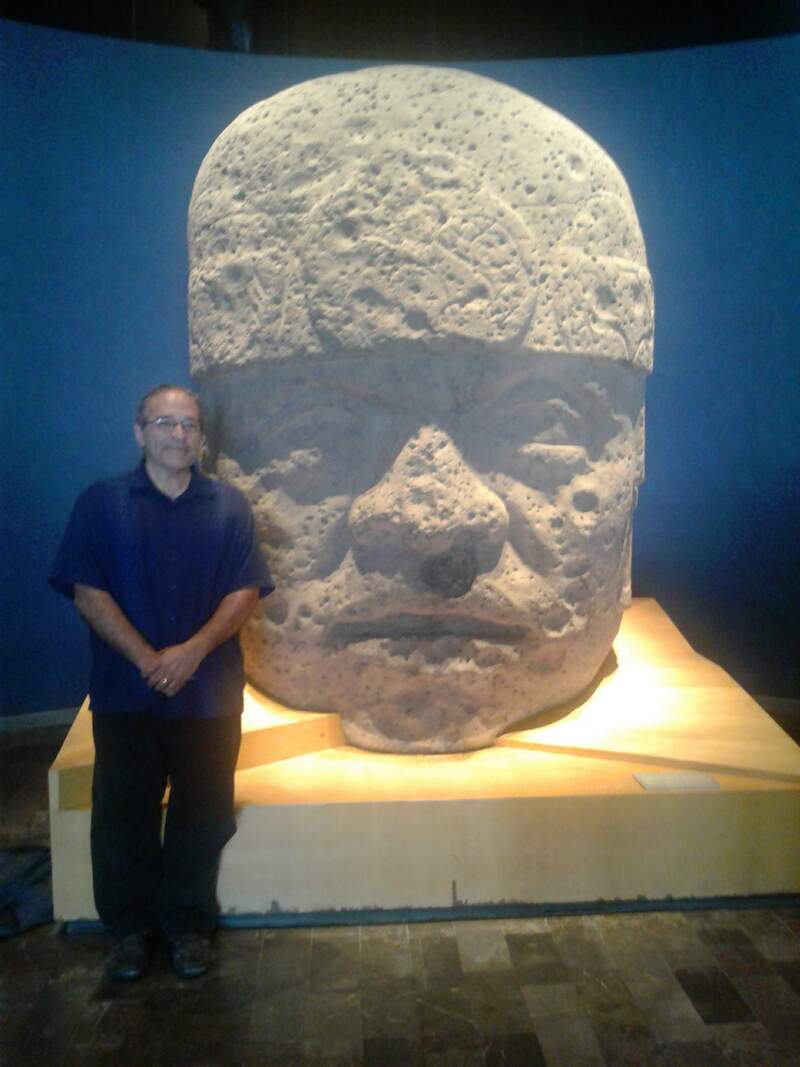
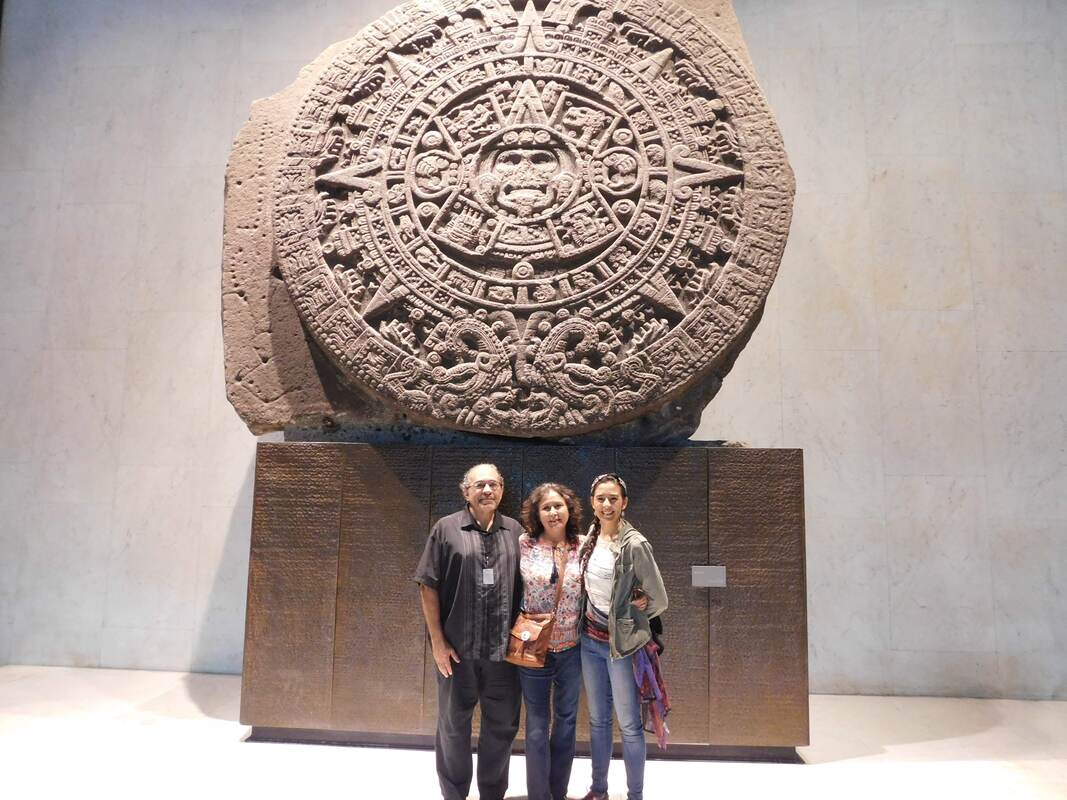
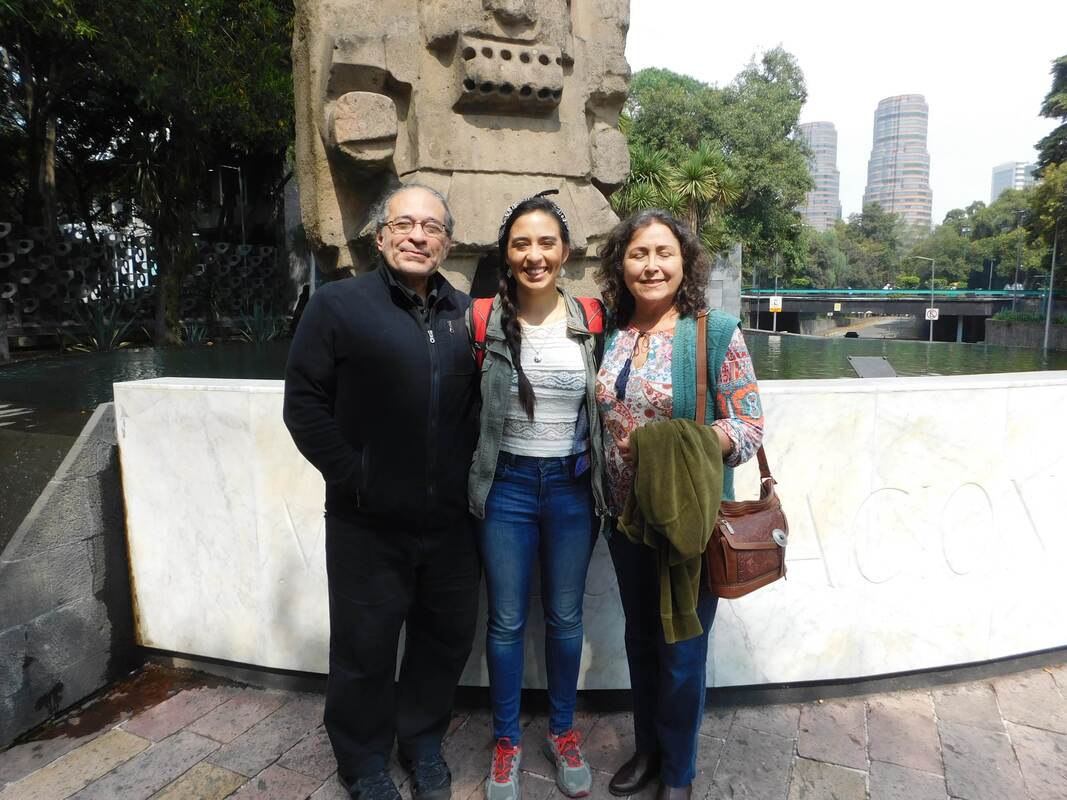
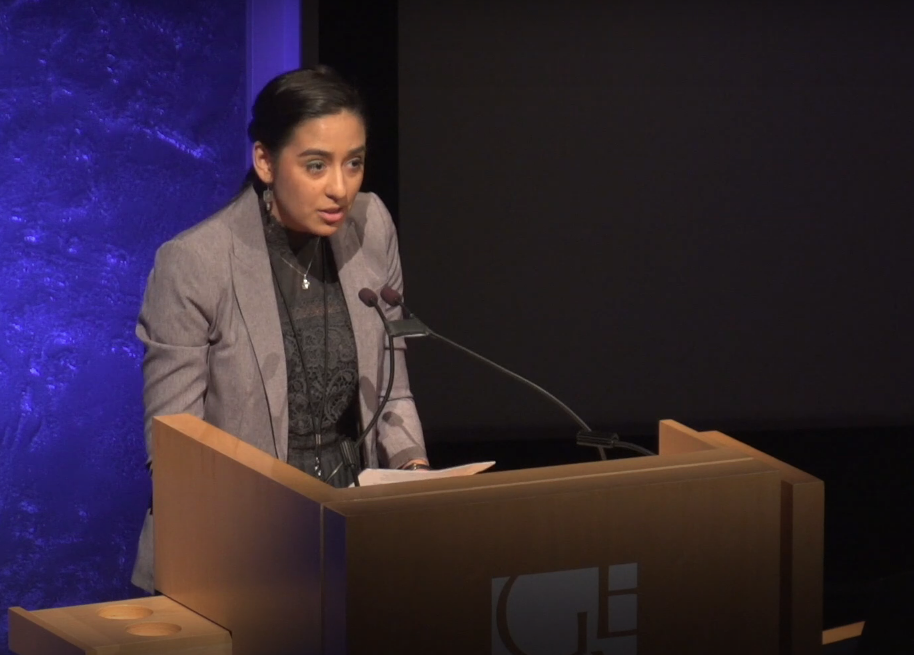
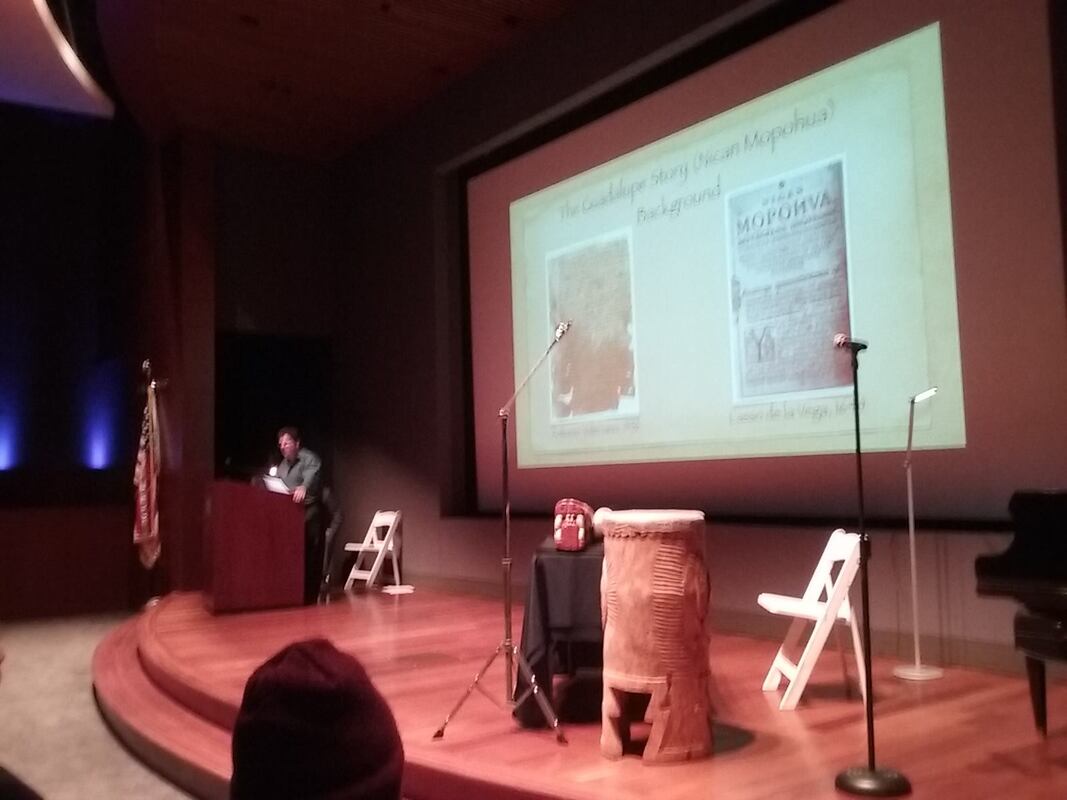
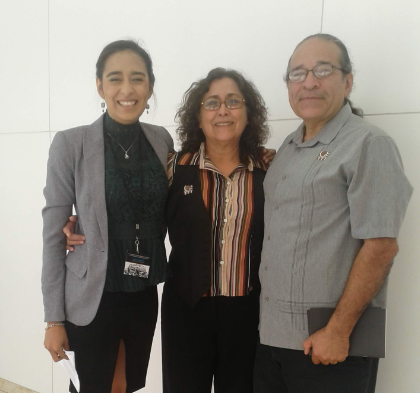
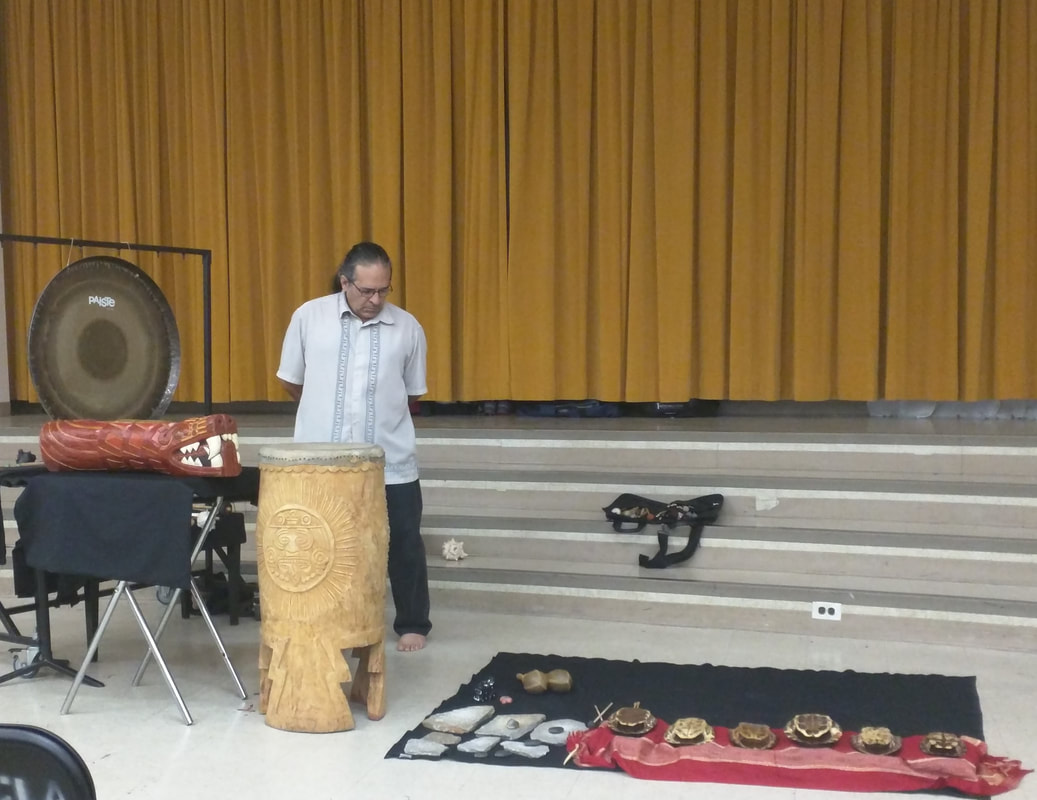
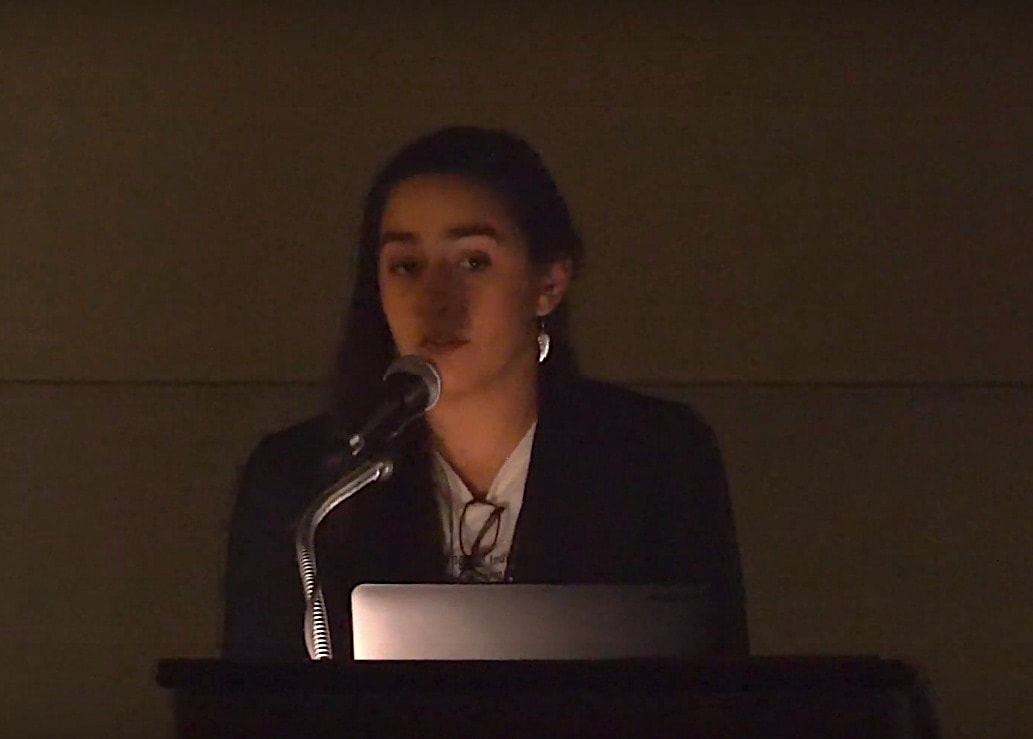
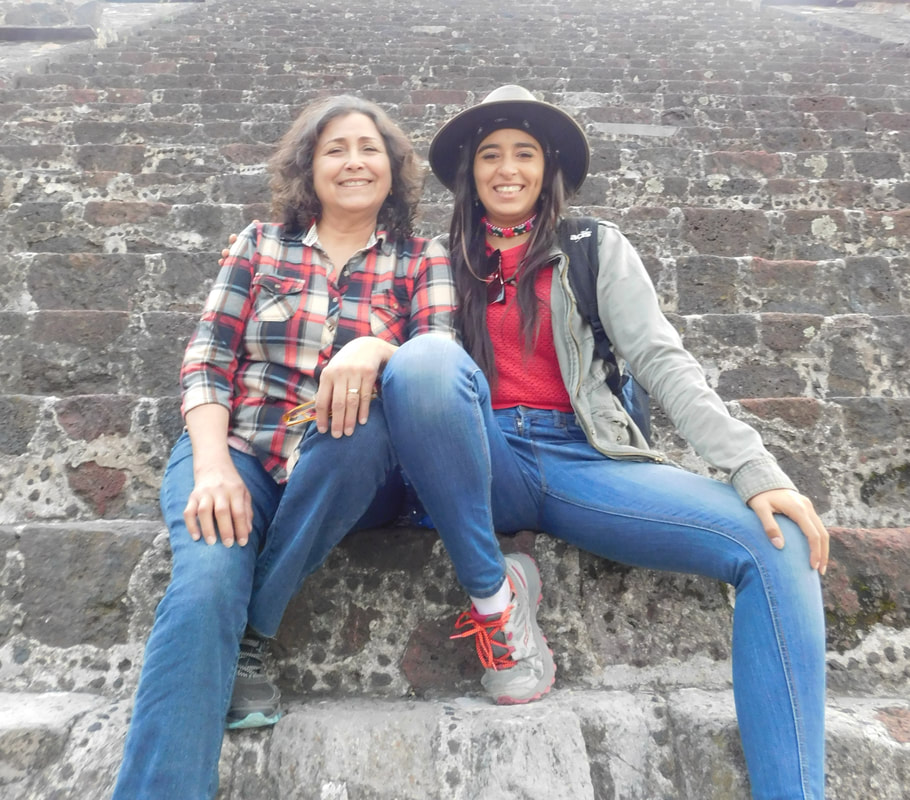
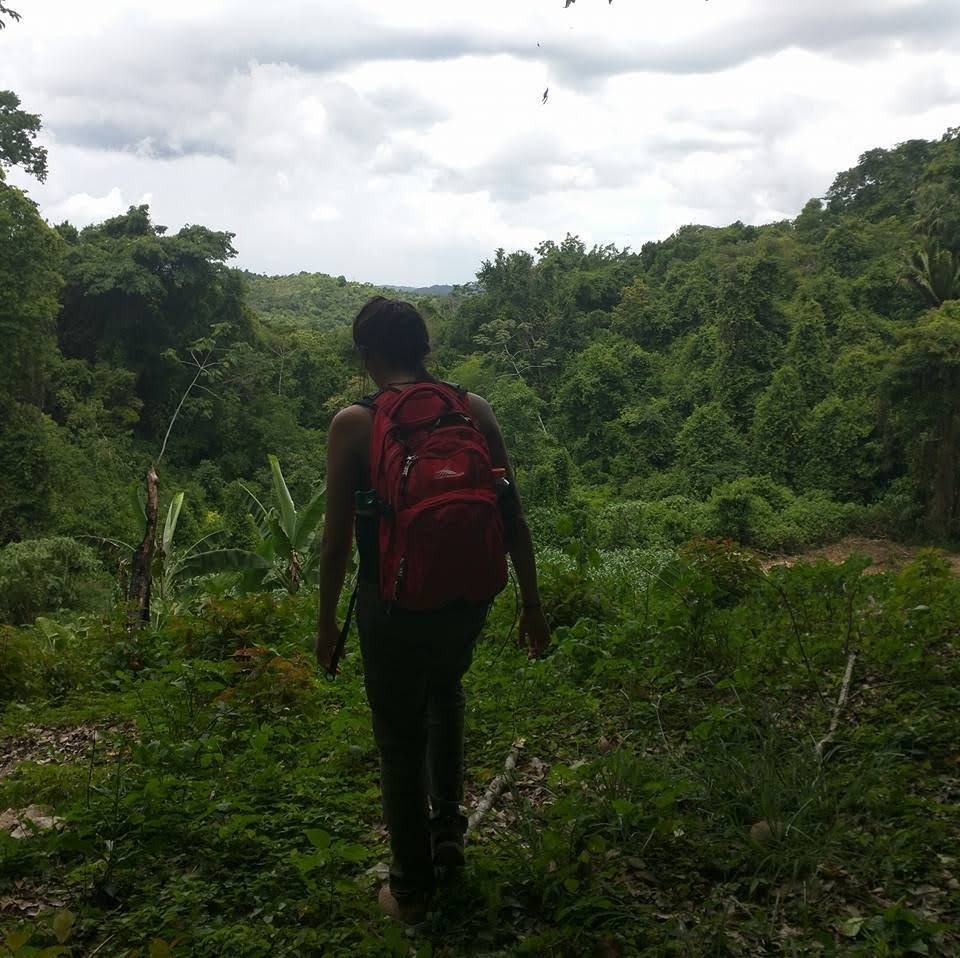
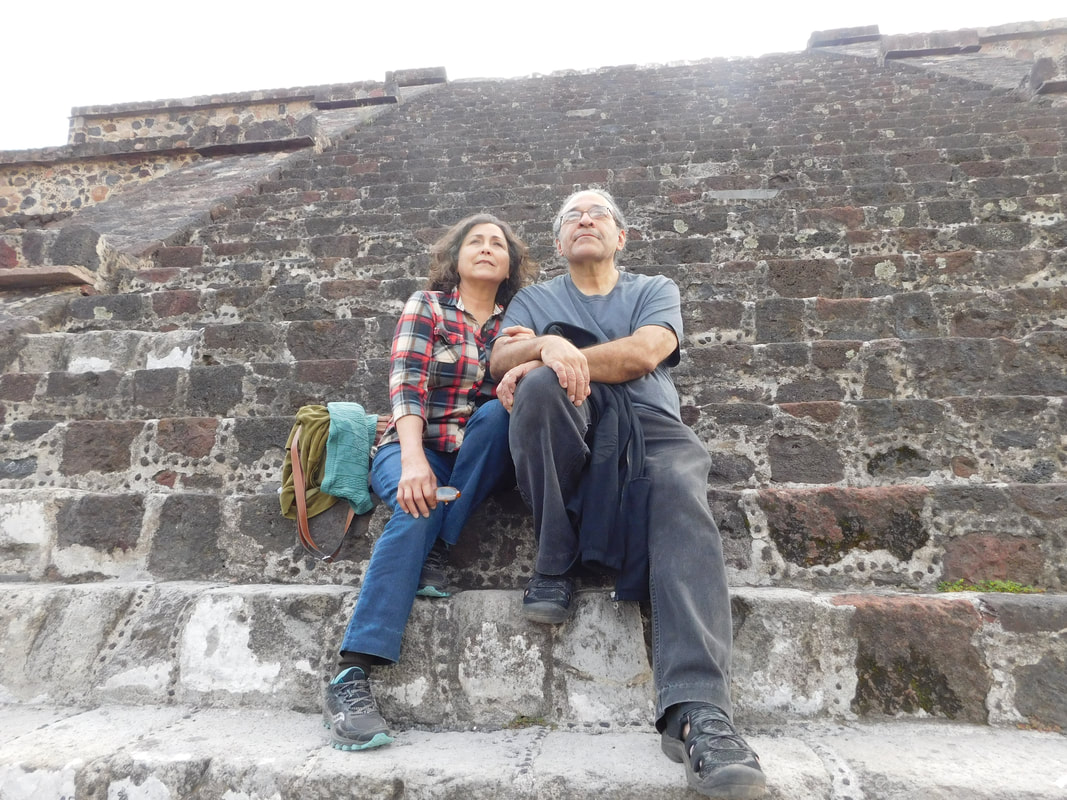
FLOWER SONGS FLOR Y CANTO presents original compositions with indigenous breath, string, and percussion instruments of Mesoamerica and Mexico, including pre and post-invasion poetry and songs in Nahuatl, Purepecha, Spanish, and English LIVE in the moment at the moment surrounded with the beauty and resonance of the instruments from different regions of Mesoamerica and Mexico creating a new RESONANCIA The Flower Songs ensemble, (Xochi Cuicatl in the indigenous Nahuatl language of Mexico) is one of many ensembles that Christopher Garcia has undertaken in his extraordinary career as a multi instrumentalist, composer, and educator. In this particular ensemble, he is joined by his daughter, Alegria, who is a full-time archaeologist and wife Yolanda E. Delgado Garcia. Together, they present a unique musical experience that showcases the indigenous instruments, poetry, and languages of Mesoamerica. Their performances transport audiences to another time and place that few have ever experienced, and, as Dr. Ezekiel Stear, professor of Languages and Culture at Auburn University has noted, “The music invites those present to look more closely at their own cultures and backgrounds, while always searching for common human ground.” A native of East Los Angeles, Garcia and his daughter began immersing themselves in the indigenous instruments and music of Mexico and Mesoamerica in 2002 when they began performing in the pageant Our Lady of Guadalupe/Dios Inantzin, is an annual event presented at the great cathedral of Los Angeles, featuring over 100 actors, singers, and indigenous MEXICA dancers in the city’s largest theatrical holiday production. Since then, through research of primary sources from Mesoamerica visiting indigenous sites in the Americas, and being invited to play in traditional indigenous contexts in Mexico, the elder Garcia has assembled numerous pre-Columbian instruments and performed with them in concert–often accompanied by lectures on indigenous music and culture–at performing arts venues and universities around the world. Alegria grew up participating in various music and theater productions, studying opera, and eventually learning to accompany her father singing in the indigenous Nahuatl and Purepecha language as well as in Spanish and English. Their collaboration culminated in RESONANCIA, a multi-media performancethey premiered at the inaugural LATIN FEST, presented by the California Institute of the Artsin Valencia, CA USA in 2018. The performance, recorded and released under the same title, contrasts indigenous instruments and songs side by side with Western counterparts, creating a novel, hybrid resonance of the two worlds They were joined by the matriarch of the family for the first time in 2018 in Mexico, where he has continued to perform since 2006, and they present together as a familia whenever possible. The Garcia's, are educators, researchers, lecturers as well as multi instrumentalists The 6 YouTube created by Christopher demonstrating the instruments have over 170,000 visitors, and his educational site on the instrumentshas 2,000 monthly visitors. He continues to present, and lecture in 28 countries on 5 continents and was invited to present the instruments and songs at THE RADCLIFFE INSTITUTE OF ADVANCED STUDY at HARVARD in 2020 and CAMBRIDGE UNIVERSITY in England in 2022 Alegria Garcia, in addition to singing and playing these instruments,is a full-time archaeologist, with digs in THE AMERICAS, along with 3 degrees “Through ongoing research into primary sources from Mesoamerica, they are concerned with representing the wisdom and traditions of the First Peoples who inspire the music they share. The music invites those present to look more closely at their own cultures and backgrounds, while always searching for common human ground.” Dr. Ezekiel Stear PhD |
FLOWER SONGS MUSIC
continues to compose and do
R&D when not onstage,
by visiting and experiencing the following
archaeological sites
Baking Pot
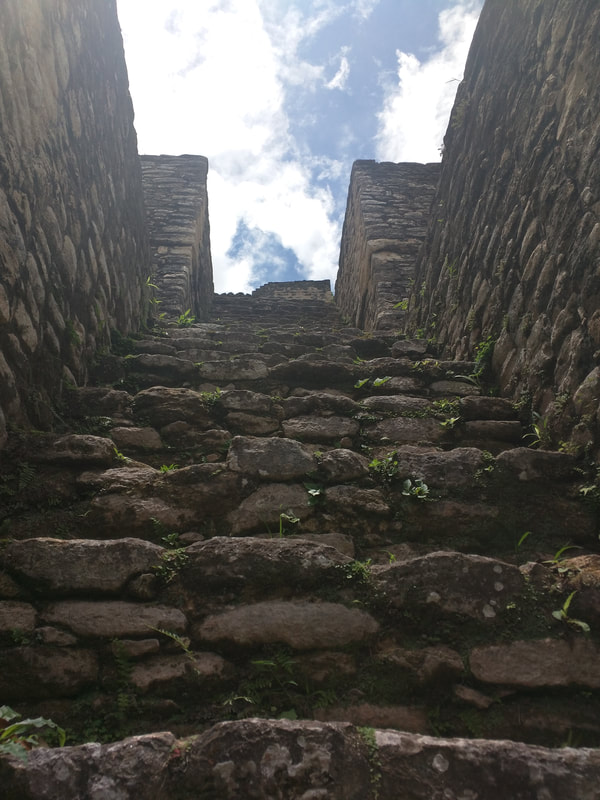
Lamanai
Lower Dover
Xunantunich
(Belize)
Chichen Itza
(Mexico)
Hidalgo's House
(Guanajuato)
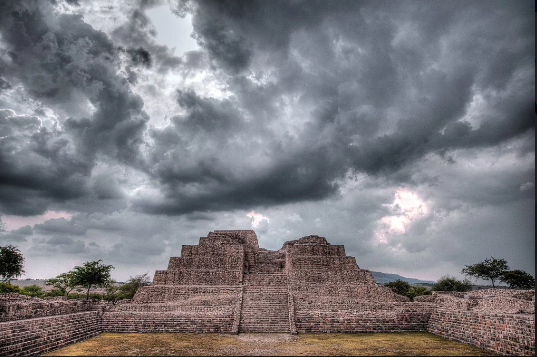
La Cañada de la Virgen
Los Pozos
The Sanctuary of Atotonilco
(San Miguel de Allende)
Plaza de las tres culturas
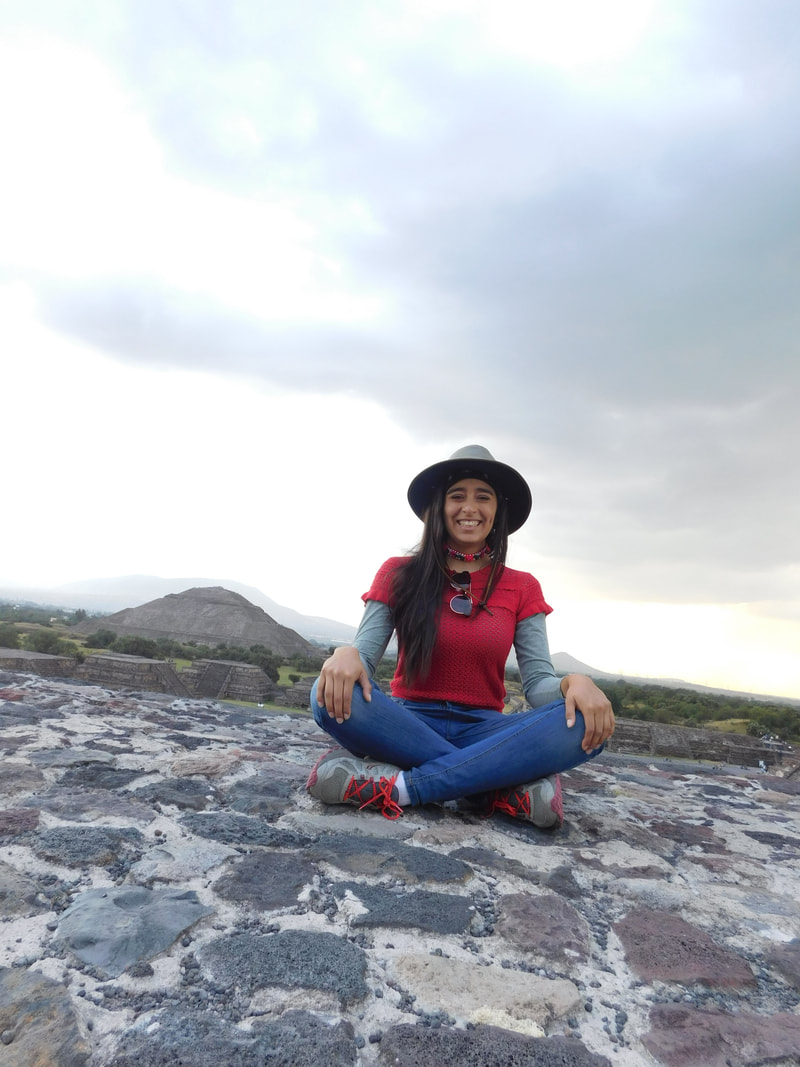
Pyramid of the Moon
Pyramid of the Sun
Teotihuacan
(Mexico City)
Tikal
(Guatemala)
and working with
academics
anthropologists
archaeologists
art historians
artists (of all mediums)
dancers
educators
elders
ethnographers
ethnomusicologists
filmmakers
historians
human beings
instrument makers
modern day practitioners
(of various disciplines)
museologists
musicians
scientists
they continue to lecture individually
and/or
collectively on
the instruments,
culture,
history,
and
instruments
of
MESOAMERICA
in the United States and abroad
they continue to present at every space imaginable
e.g.,
auditoriums
barns
botanical gardens
cathedrals
churches
colleges
concert halls
deserts
elementary schools
libraries
high schools
middle schools
mountain tops
museums
parks
performing arts centers
riverbeds
schools
universities
continues to compose and do
R&D when not onstage,
by visiting and experiencing the following
archaeological sites
Baking Pot
Lamanai
Lower Dover
Xunantunich
(Belize)
Chichen Itza
(Mexico)
Hidalgo's House
(Guanajuato)
La Cañada de la Virgen
Los Pozos
The Sanctuary of Atotonilco
(San Miguel de Allende)
Plaza de las tres culturas
Pyramid of the Moon
Pyramid of the Sun
Teotihuacan
(Mexico City)
Tikal
(Guatemala)
and working with
academics
anthropologists
archaeologists
art historians
artists (of all mediums)
dancers
educators
elders
ethnographers
ethnomusicologists
filmmakers
historians
human beings
instrument makers
modern day practitioners
(of various disciplines)
museologists
musicians
scientists
they continue to lecture individually
and/or
collectively on
the instruments,
culture,
history,
and
instruments
of
MESOAMERICA
in the United States and abroad
they continue to present at every space imaginable
e.g.,
auditoriums
barns
botanical gardens
cathedrals
churches
colleges
concert halls
deserts
elementary schools
libraries
high schools
middle schools
mountain tops
museums
parks
performing arts centers
riverbeds
schools
universities